
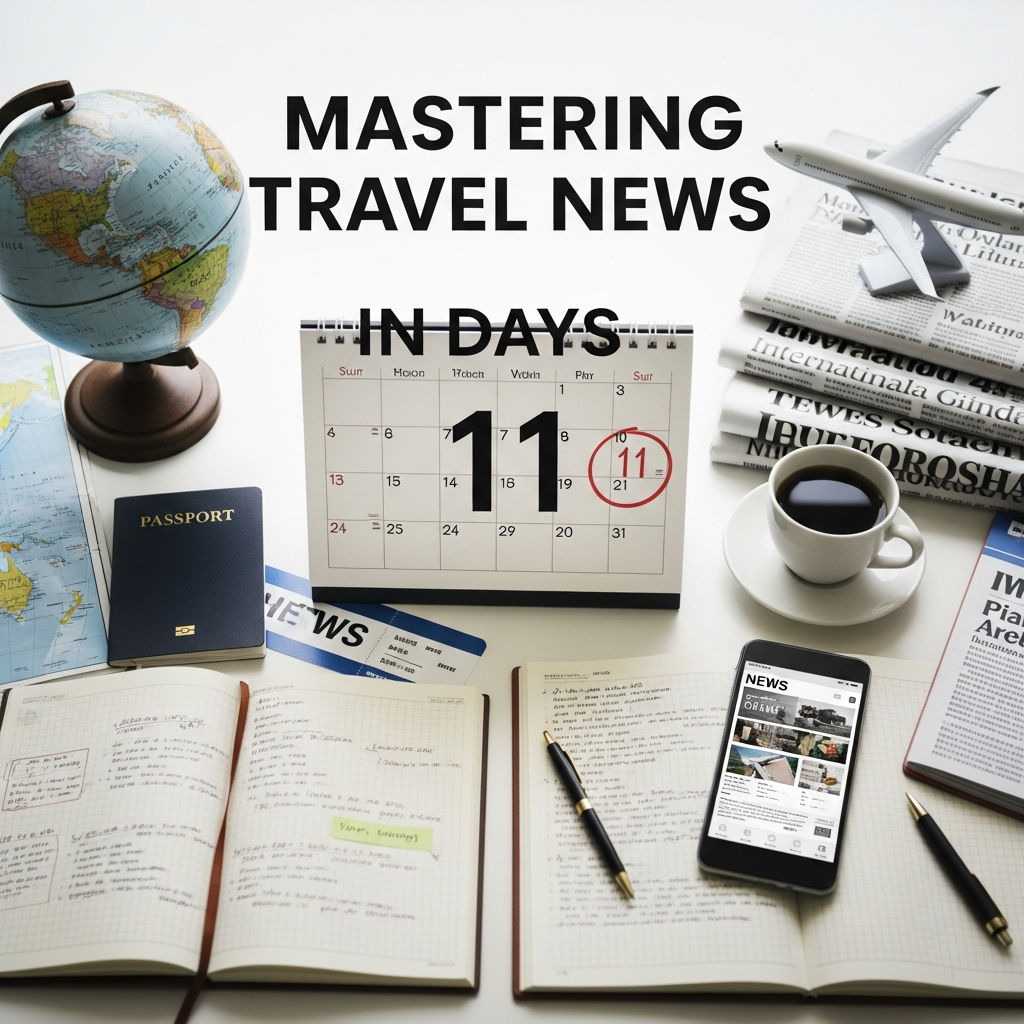
How to Master Travel News in 11 Days: Your Ultimate Guide
In an era where global borders shift, airline policies change overnight, and sustainable travel trends evolve by the minute, staying informed isn’t just a hobby—it’s a necessity for the modern traveler. Whether you are a frequent flyer, a digital nomad, or a travel professional, mastering the flow of travel news allows you to save money, ensure safety, and discover hidden gems before they become “tourist traps.”
Most people consume travel news passively, catching a headline on social media or seeing a weather report on TV. However, to truly master travel news, you need a systematic approach. This 11-day intensive guide will transform you from a casual observer into a travel news expert.
Day 1: Audit Your Current Information Sources
The first step to mastery is understanding where your information currently comes from. Are you relying on outdated blogs or generic news apps? Today, your goal is to audit your digital diet.
- Identify the “Big Three”: Ensure you are following a mix of general news (BBC Travel, New York Times Travel), industry-specific news (Skift, PhocusWire), and consumer-focused news (The Points Guy, Lonely Planet).
- Unfollow the clutter: If a social media account only posts “pretty pictures” without context or news value, mute them for this 11-day challenge.
- Bookmark primary sources: Include official government travel advisories (like the U.S. State Department or the UK Foreign Office).
Day 2: Set Up News Aggregators and RSS Feeds
Checking twenty different websites daily is inefficient. Day 2 is about centralizing your feed. By using an RSS aggregator like Feedly or Inoreader, you can bring all travel news into one dashboard.
Create folders for specific niches: “Aviation News,” “Sustainable Travel,” “Hotel Industry,” and “Digital Nomad Trends.” This allows you to scan headlines quickly and dive deep only when a topic interests you. Mastering travel news is as much about curation as it is about consumption.
Day 3: Mastering the Art of the Newsletter
Newsletters are the “curated gold” of the travel world. Unlike social media algorithms, newsletters deliver chronologically and often include expert commentary. Spend Day 3 subscribing to high-authority travel newsletters.
- Daily Drops: Look for newsletters that summarize the day’s top stories.
- Deal Alerts: Subscribe to services like Going (formerly Scott’s Cheap Flights) to see how news impacts pricing.
- Niche Insights: Find newsletters focused on specific regions or types of travel, such as “Adventure Travel Trade Association” updates.
Day 4: Deep Dive into Aviation and Airline News
Aviation is the backbone of the travel industry. To master travel news, you must understand airline alliances, fuel surcharges, and route expansions. On Day 4, focus on sites like FlightGlobal or Airline Weekly.
Learn to track “Slot” news and “Fifth Freedom” flights. Understanding why an airline cancels a route or changes its loyalty program will give you a competitive edge in planning your own trips or advising others.
Day 5: Understanding the Business of Hospitality
Travel news isn’t just about where to go; it’s about where you stay. Day 5 is dedicated to the hospitality sector. Follow news regarding major hotel chains (Marriott, Hilton, Accor) and the short-term rental market (Airbnb, Vrbo).
Pay attention to mergers and acquisitions. When a hotel group buys a boutique brand, the “vibe” and the rewards structure often change. Being ahead of these shifts allows you to maximize your points and expectations.
Day 6: Geopolitics and Visa Regulations
Travel does not exist in a vacuum. It is deeply tied to global politics. On Day 6, focus on how international relations affect travel. This includes new visa-free entries, the rollout of ETIAS in Europe, or regional instabilities.
Use resources like the Henley Passport Index or IATA’s Travel Centre. Understanding the “why” behind travel restrictions will make you a more resilient and informed traveler.

Day 7: Leveraging Social Media for Real-Time Updates
While traditional media is great for analysis, social media is king for real-time updates. Day 7 is about optimizing your “X” (Twitter) lists and TikTok/Instagram follows. Create a list of “Aviation Geeks” and travel journalists who tweet from the ground during major events.
Search for specific hashtags like #TravelNews or #FlightDelay during disruptions to see live reports before they hit the major networks. This real-time mastery is crucial for navigating travel chaos.
Day 8: Forums and Community Intelligence
Sometimes the best travel news comes from fellow travelers. On Day 8, explore communities like Flyertalk, Reddit’s r/travel, or Nomad List. These forums are often the first place “mistake fares” or sudden border changes are reported.
The key here is verification. Learn to cross-reference forum posts with the primary sources you identified on Day 1. Community intelligence adds a layer of “on-the-ground” reality to corporate news releases.
Day 9: The World of Podcasts and Long-form Journalism
Mastery requires context. Spend Day 9 listening to travel industry podcasts. Shows like “The Skift Podcast” or “The Travel Podcast” often feature interviews with CEOs and trendsetters. This long-form content helps you understand the “macro” trends, such as the rise of AI in travel planning or the shift toward regenerative tourism.
Day 10: Verification, Fact-Checking, and Avoiding Clickbait
With the rise of AI-generated content and “doom-scrolling” headlines, Day 10 is about critical thinking. Travel news is often sensationalized (e.g., “Europe is Closing Its Borders!” when it’s actually just a minor visa paperwork change).
- Check the date: Always ensure the article isn’t from three years ago.
- Look for the source: Is the information coming from an official government site or a blog looking for clicks?
- Cross-reference: If a deal looks too good to be true, check multiple news outlets.
Day 11: Build Your Personal Travel News Dashboard
On the final day, consolidate everything you’ve learned. Set up Google Alerts for specific keywords like “New Flight Routes [Your City]” or “Visa Updates for [Your Destination].” Organize your browser bookmarks into a “Morning Coffee Travel Scan.”
By now, you have the tools, the sources, and the analytical skills to process travel news efficiently. You aren’t just reading news anymore; you are interpreting it to make better decisions.
Conclusion: The Value of Being Informed
Mastering travel news in 11 days isn’t just about being a “news junkie.” It’s about empowerment. When you understand the trends, you can predict price drops. When you know the geopolitical climate, you stay safe. When you follow industry shifts, you travel more sustainably.
The travel world moves fast. By dedicating these 11 days to building a robust information system, you ensure that you are always one step ahead of the crowd, ready to explore the world with confidence and expertise.